The Art of Cutting What You Think Matters
Blogger: Video Clip Team
Published 2026.1.7
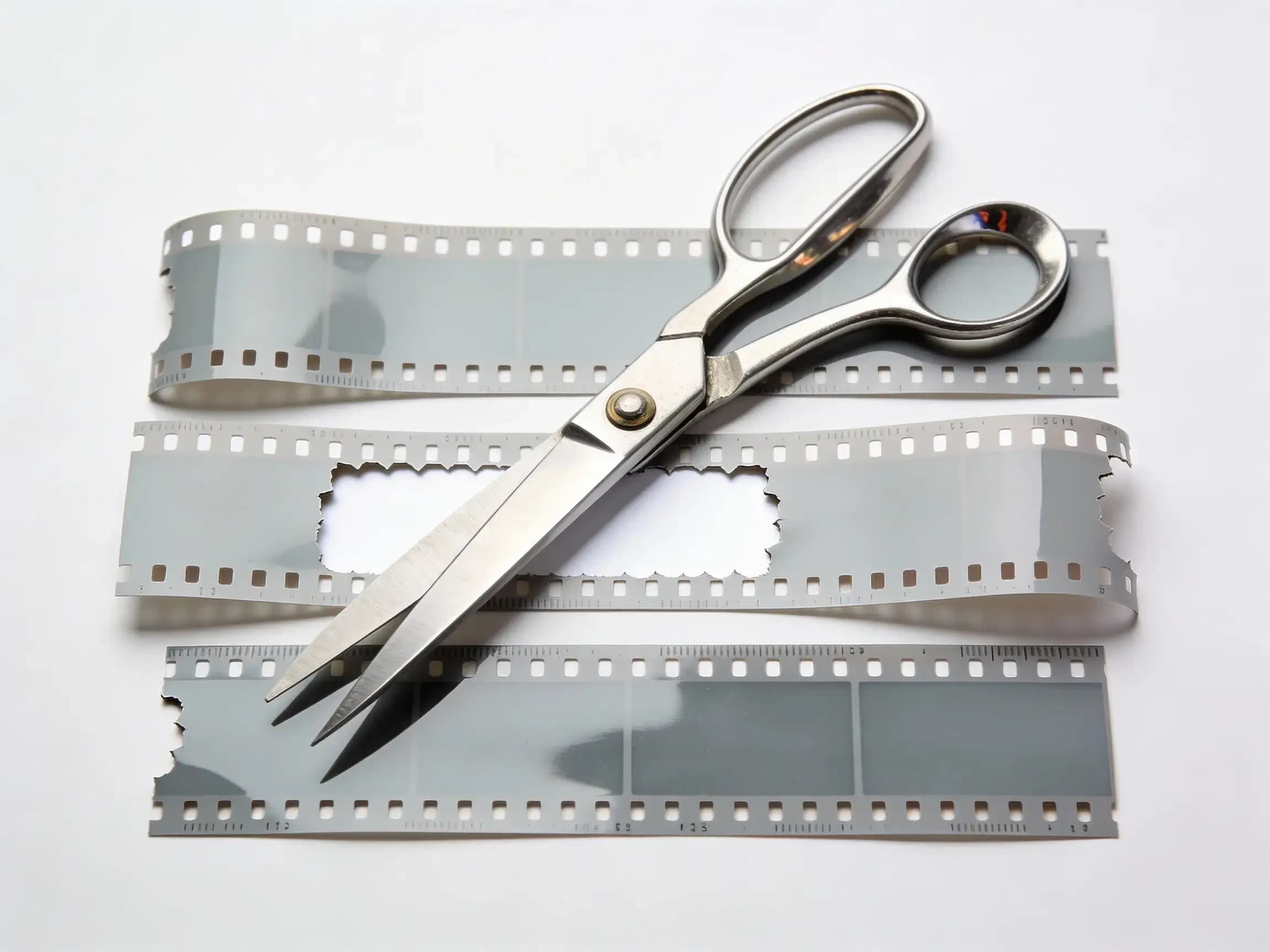
Every clip starts with too much
Anyone who has ever edited a video knows this moment.
You import the footage, press play, and immediately realize: most of this won’t make the final cut. Not because it’s bad.
Because it’s unnecessary. What’s interesting is how emotionally attached people get to the parts that end up removed. Those moments felt important while recording. They just don’t survive context.
Editing is a form of decision-making
Clipping video isn’t about shortening time. It’s about choosing meaning.
You keep the moment that moves the story forward. You cut the parts that only mattered to the person behind the camera.
I’ve come to believe this is why editing feels exhausting—it forces judgment. Not technical judgment, but narrative judgment. And most people avoid that kind of decision whenever possible.
Personal standards behave like raw footage
In life, especially in dating, people collect standards the same way they collect raw clips.
- Some come from past experiences.
- Some from cultural expectations.
- Some from things we admired once and never questioned again.
They pile up.
When someone says, "I don’t know why this feels so hard," often it’s because nothing has been edited yet. Everything is still included.
I once played with a dating calculator tool out of curiosity, and it felt oddly similar to opening a timeline full of clips. Suddenly, preferences that felt abstract were visible side by side.
Not wrong. Just crowded.
Why cutting feels like loss, even when it helps
The hardest part of editing isn’t knowing how to cut. It’s accepting what the cut implies.
Removing a clip means admitting it wasn’t essential.
Adjusting a standard means admitting it wasn’t foundational. That can feel like rewriting your own story.
So people delay. They keep everything. They hope clarity emerges on its own.
It rarely does.
Clean timelines make better stories
A clean video timeline doesn’t mean the story is simple. It means it’s intentional.
The same is true for personal choices. When standards, expectations, or constraints are consciously shaped, they stop fighting each other.
Editing isn’t about optimization.
It’s about coherence. And coherence is usually what people are actually looking for.